Dental Local SEO: How Patients Find Your Clinic on the Map
Dental local SEO wins on urgency: correct categories, treatment-level services, reviews that name treatments, and grid tracking. The checklist, the published numbers (a third of pack weight is profile signals), and the Bangkok two-language layer.
Nobody comparison-shops a dentist the way they shop for a phone case. A tooth breaks at nine at night, someone types "dentist near me", and whoever's profile answers that moment with hours, photos, and recent reviews wins the patient. Dental local SEO is less a marketing discipline than a preparedness discipline: be complete, be current, and be close in the searcher's eyes when the need strikes.
This guide covers what makes dental visibility different, the checklist that moves it, what the published numbers say, and the Bangkok specifics that decide which clinic the map chooses.
Dental local SEO is the practice of making your clinic the obvious map-pack answer when people nearby search for a dentist, a treatment, or urgent care. It runs on the correct Dentist-category setup, complete treatment listings, steady reviews that name treatments, consistent clinic data, and multi-point rank tracking. It differs from general local SEO in urgency: pain-driven searchers decide on the first credible result, so completeness converts directly into appointments.
What makes dental local SEO different
Three things separate a dental practice from the average local business in the map contest.
First, urgency. A large share of dental searches carry pain or a deadline: broken tooth, lost crown, upcoming wedding. Urgent searchers click the first credible nearby result and call. Every incomplete field on your profile, stale hours, no photos, unanswered reviews, taxes that decision against you.
Second, the category gate. Google's taxonomy has specific dental categories, and the primary one you choose decides which searches you are eligible for at all; our Google Business Profile categories guide covers why this single field is where most rankings are quietly lost. A clinic filed under a generic medical category forfeits "dentist near me" before anything else matters.
Third, treatment-level keywords. Patients do not search "dental services"; they search braces, implants, whitening, scaling, invisible aligners, in two languages in Bangkok. Your services list and description must speak the patient's vocabulary, not the license certificate's.
The dental local SEO checklist
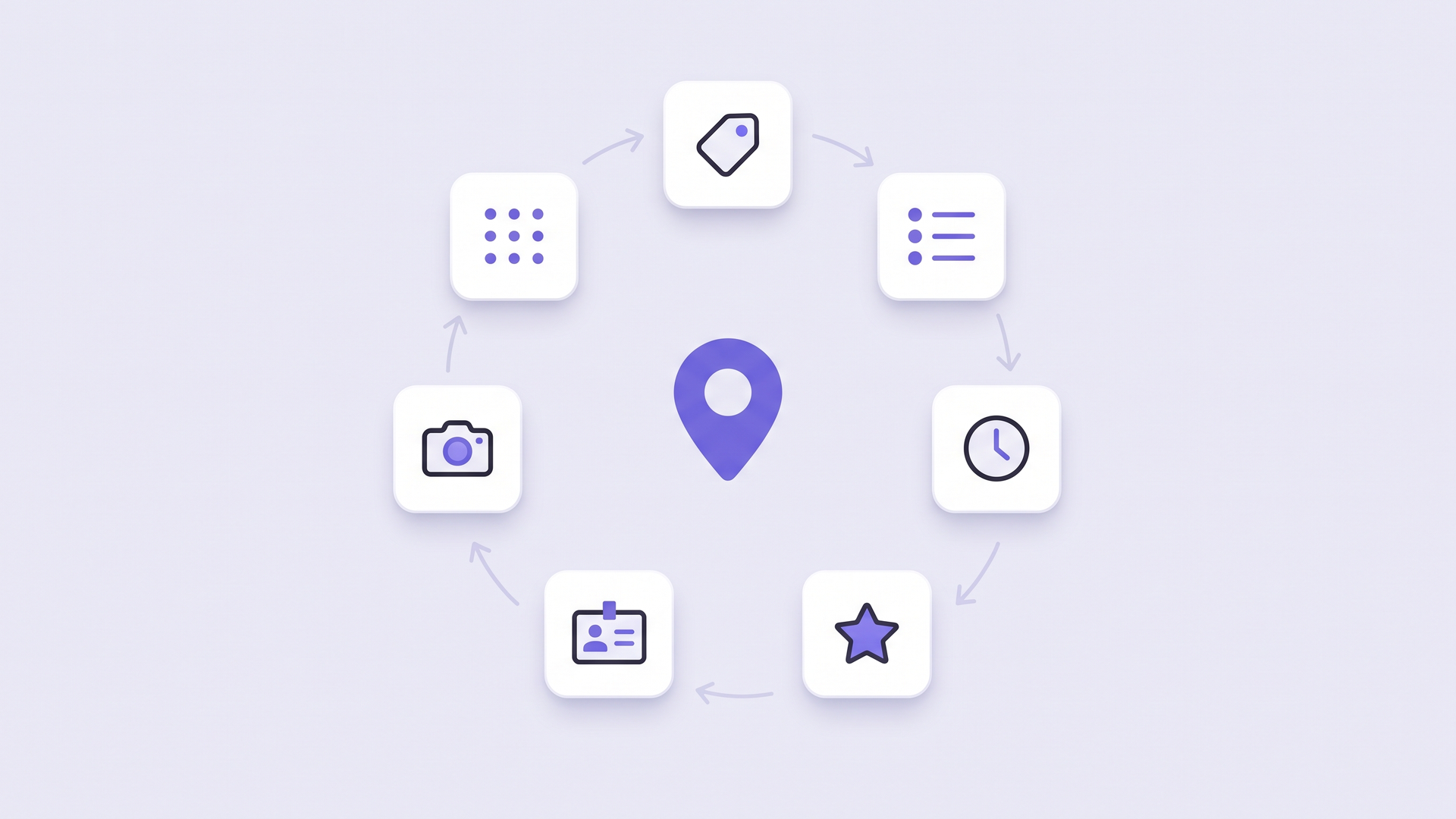
- Set the primary category to the precise dental type you are (Dentist, Dental clinic, Orthodontist, Pediatric dentist as truth applies), then add secondary categories only where genuinely offered.
- List every treatment as a service, with plain-language descriptions: what it is, who it suits, roughly what a visit involves. This feeds both the map and the AI assistants that now answer "where can I get aligners in Ari."
- Show emergency readiness if you offer it: same-day wording in your description, hours that reflect reality including weekends, and a phone that a person answers.
- Run the review system treatment-first. Ask happy patients to mention what they had done, because reviews that say "braces" and "gentle scaling" teach both humans and ranking systems what you are strong at. The mechanics of asking properly are in our review guide, written for Thai clinics.
- Keep clinic data identical everywhere: name, address, phone across Google, your site, hospital directories, and insurance panels. Mismatches erode the machine's confidence in all of them.
- Photograph the real clinic: reception, chairs, sterilization, the doctor's face. Patients choosing a clinic from the map are buying calm and cleanliness as much as competence.
- Track your rank on a grid, weekly, for two or three treatment keywords in each language you serve. One position from one phone answers nothing; a grid shows which neighborhoods you own and which the clinic across the road is taking.
What the published numbers say
The research is unambiguous about where to spend effort. Google Business Profile signals carry roughly a third of local pack ranking weight, the single largest factor, as BrightLocal's data summarized for dental practices shows. About 71 percent of people searching for a dentist research online before scheduling, and Google's own behavior data, cited in dental marketing guides, puts roughly three quarters of local mobile searches into a physical visit within a day. Read together: the profile work is not branding overhead, it is the front door.
And proximity still bends everything, which is why grid measurement matters for clinics as much as for cafés. Our scans routinely show one business holding an average rank under 2 with total top-3 coverage inside one kilometer while an equally good competitor three kilometers out is invisible to most searchers (GBPpeak geo-grid scans, October 2026). A dental practice with one location cannot fix geography, but it can own its radius, and the checklist above is how.
The Bangkok layer
Bangkok adds the two-language reality every guide in our local SEO Bangkok playbook keeps returning to: Thai patients search Thai, expats and medical tourists search English, and the profile must serve both lanes with treatment names in each. Districts matter more than citywide fame; a clinic near BTS On Nut or in Silom competes street by street, not against all of Bangkok. And because aesthetic clinics follow slightly different rules, our clinic local SEO guide covers that sibling vertical if your practice spans both.
Frequently Asked Questions
How long does dental local SEO take to show results?
Category and data fixes often move visibility within weeks. Review volume and treatment-keyword strength compound over a quarter. Emergency-driven practices see the fastest payoff, because complete urgent-care signals convert the demand that already exists tonight.
Should a dental clinic run ads instead?
Ads and the profile serve different moments. Ads rent visibility for the terms you bid on; the profile earns the map pack that most dental patients trust first. Most Bangkok clinics sensibly do the profile work first, then add ads for competitive treatments like aligners, where the paid results sit above the map.
Do more reviews always mean better ranking?
No, and chasing count alone backfires. Steady, recent, treatment-specific reviews beat a large stale pile, and bought or incentivized reviews violate policy and get removed in batches. Aim for a flow patients can sustain honestly.
One location, many treatment pages on the website — good or bad?
Good, when each page describes one treatment genuinely offered, with real detail and the district you serve. Bad, when pages are near-duplicates swapping the treatment name, which our vertical guides flag as the doorway pattern search engines discount. Depth over coverage, always.
Every checklist item starts with knowing where you stand today. See exactly where patients around your clinic find you, and where they find the competitor instead, with a free multi-point grid scan at gbppeak.com/free-maps — no signup, no card.