The Google PageRank Toolbar: A Short History of the Green Bar
The Google PageRank toolbar showed a zero-to-ten importance score from December 2000 until Google removed the data in 2016. Why the green bar died, what replaced it for local businesses, and the scams that still use the name.
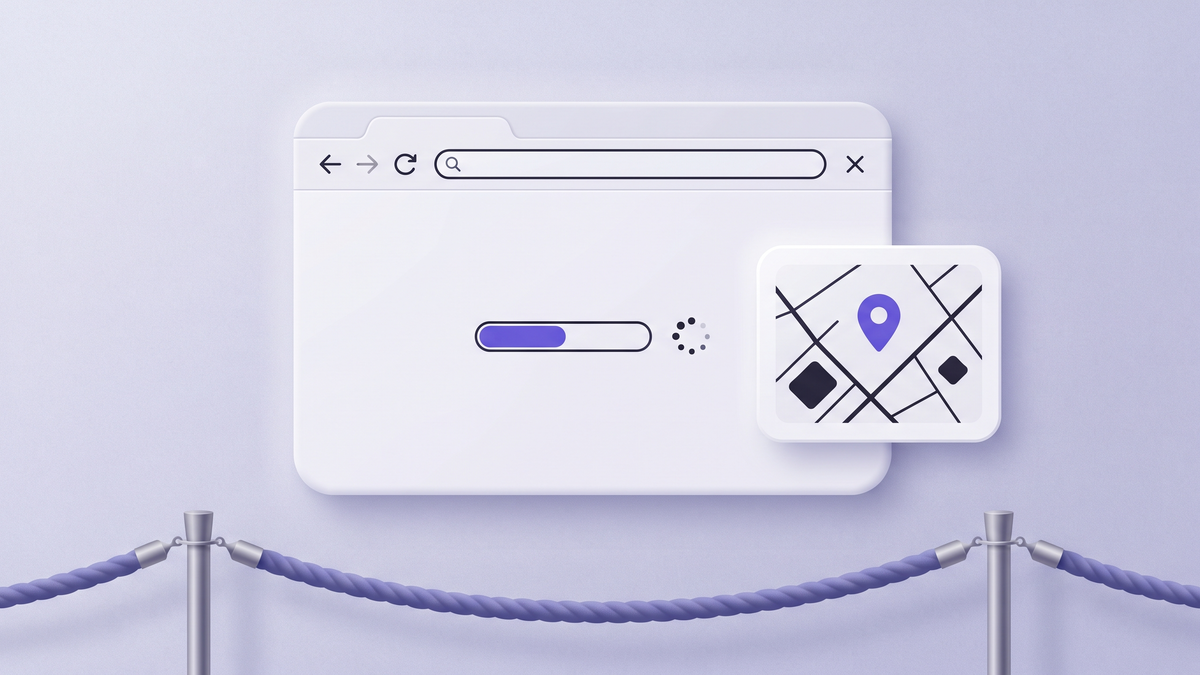
There was a time when SEO was a green bar. You installed Google's Toolbar in Internet Explorer, visited a page, and watched a little meter fill toward ten. That number, PageRank, was Google's original idea of importance: a page matters if important pages link to it. For a decade the bar was the industry's scoreboard, its currency, and eventually its ruin. It is gone now, but the habits it taught, trusting one public number to explain a ranking, outlived it by years.
This is the short history of the Google PageRank toolbar, why Google killed its most famous feature, and what actually measures importance today for a local business.
The Google PageRank toolbar was a browser add-on from December 2000 that displayed a page's PageRank as a score from zero to ten, based on the quantity and quality of links pointing to it. Google stopped updating the public score, confirmed no further updates in 2013, and removed toolbar PageRank data entirely in 2016. PageRank still operates internally as one ranking signal among hundreds; only the public number is dead.
What the Google PageRank toolbar actually measured
PageRank was a piece of genius dressed as a meter. Roughly: every link to a page counted as a vote, and votes from pages that themselves collected many votes counted more. It was how two students' research project decided, at web scale, which page about "jaguar" meant the car, the cat, or the guitar. When the toolbar shipped in December 2000 with its visible zero-to-ten score, it democratized that judgment: any site owner could see, in one glance, how important Google thought their page was.
The problem was not the math. The problem was showing the math.
How a public scoreboard poisoned itself
Once importance had a public number, the number became a product. Link farms sold PageRank by the link. Directories existed to pass it. Webmasters swapped, bought, and hoarded links, not because humans followed them, but because the green bar watched them. Google spent years fighting an industry its own toolbar had created.
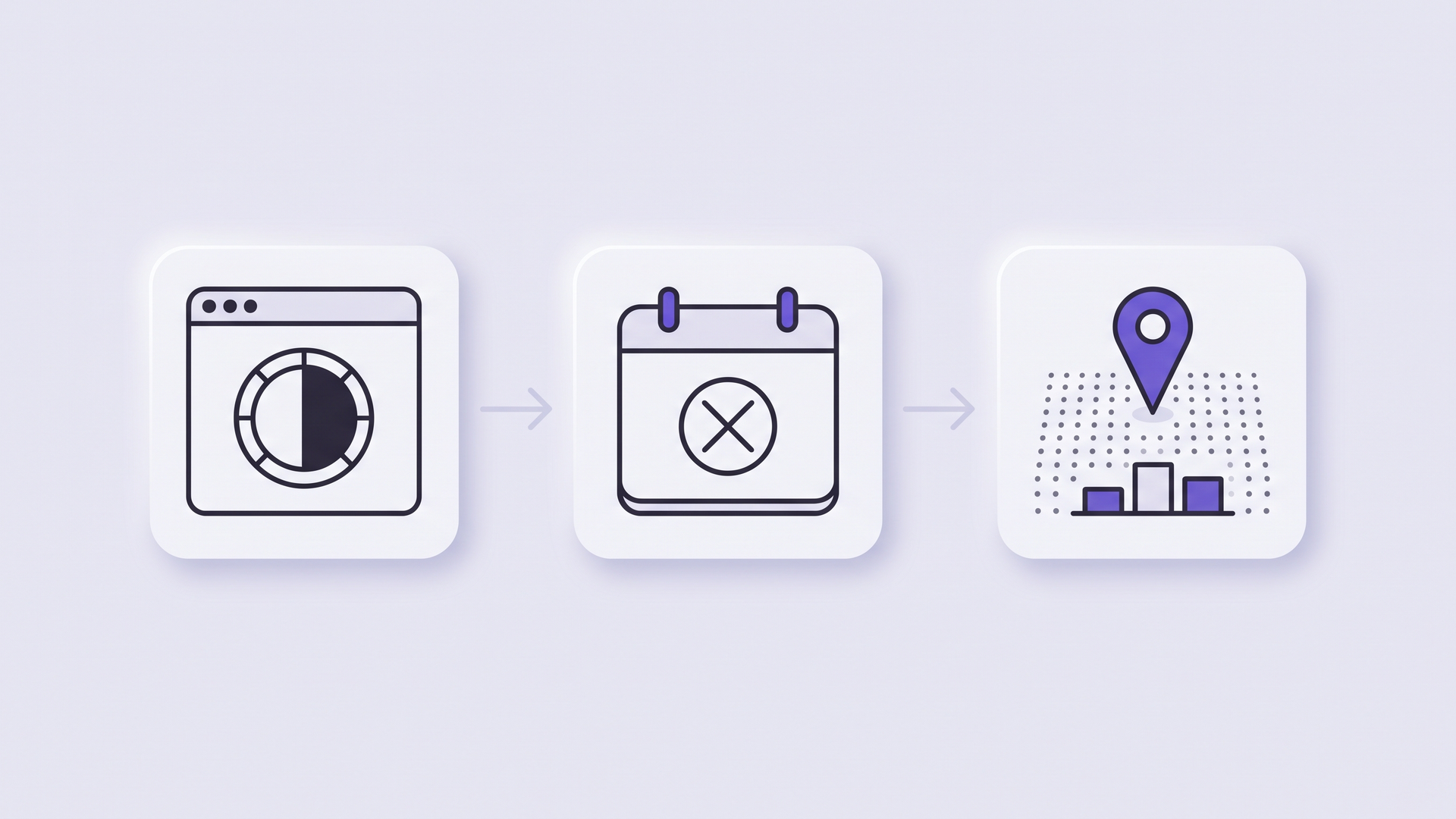
The decline came in stages. Google never shipped a toolbar for Chrome, the browser that was eating the others, so the visible score mattered less each year. In October 2013, Google's Matt Cutts confirmed there would be no further PageRank updates that year, as Search Engine Land reported, and in practice the score froze. By 2016 the remaining public PageRank data was removed, and the industry's oldest superstition officially lost its altar. The algorithm's internal link analysis never went away; only the public number did.
What replaced it, especially for local businesses
Google's stated position, from ranking documentation to every statement since, is that results come from many signals considered together, relevance, distance, and prominence for local searches among them; our local ranking factors guide maps how those apply to the map pack. For a shop in Bangkok, "importance" today is prominence: review velocity and content, mentions, consistency, the things customers actually produce when they choose you.
And the measurement lesson landed too. Nobody sane misses one green number claiming to explain a search engine. The modern equivalent of honest measurement is multi-point: a grid scan reporting average rank, visibility, and top-3 share per district, the method our map rank tracker guide describes. One Bangkok shop we scanned holds average rank 1.16 with top-3 in 100% of its grid; another sits at 16.0 with 16% visibility (GBPpeak scans, October 2026). No single public score could have told you that story, and pretending one could is exactly the habit the toolbar era should have cured.
The scam afterlife
Because the name still means something, "PageRank" survives as a sales pitch. Services claim to "boost your PageRank" or sell "high PageRank links" to local businesses that remember the term without knowing the history. If anyone pitches you PageRank anything in 2026, they are selling you a discontinued product. The ranking-factors piece linked above lists what actually moves a local business, and the buyer-protection questions in our profile management guide apply to anyone selling rankings by any vintage name.
Frequently Asked Questions
Does PageRank still exist inside Google?
Yes, in descendants. Link analysis remains one input among hundreds that ranking systems weigh. What died in 2016 was the public zero-to-ten score, not the idea that links carry information about importance.
Can I see my PageRank today?
No. There is no official PageRank metric exposed anywhere. Third-party "PageRank checkers" estimate unrelated things, usually their own link indices, and none of them reflects an internal Google value. Treat any current PageRank number as decorative.
What is the PageRank equivalent for a local business?
Prominence, measured honestly. Reviews and their velocity, the words customers use in them, mentions around the web, and consistent business data. You cannot query it as one number, but you can watch its consequences weekly through grid scans of your map positions.
Why did Google keep PageRank secret after killing the toolbar?
Because a public metric gets gamed in proportion to how public it is. The toolbar proved that a ranking signal with a visible score recruits an industry against itself. Modern Google publishes principles, relevance, distance, prominence, and keeps the weights private, which is why honest measurement today watches outcomes, positions and actions, rather than claimed inputs.
History's lesson is practical: distrust any single number claiming to summarize your visibility. See the whole picture instead, with a free multi-point grid scan of your business at gbppeak.com/free-maps — no signup, no card.