How to Do a SERP Ranking Check That Actually Tells the Truth
A SERP ranking check done from one browser is a rumor with a number attached. The clean-session, fixed-market, recorded-history method, plus where it stops and a map rank check begins, with real Bangkok scan data.
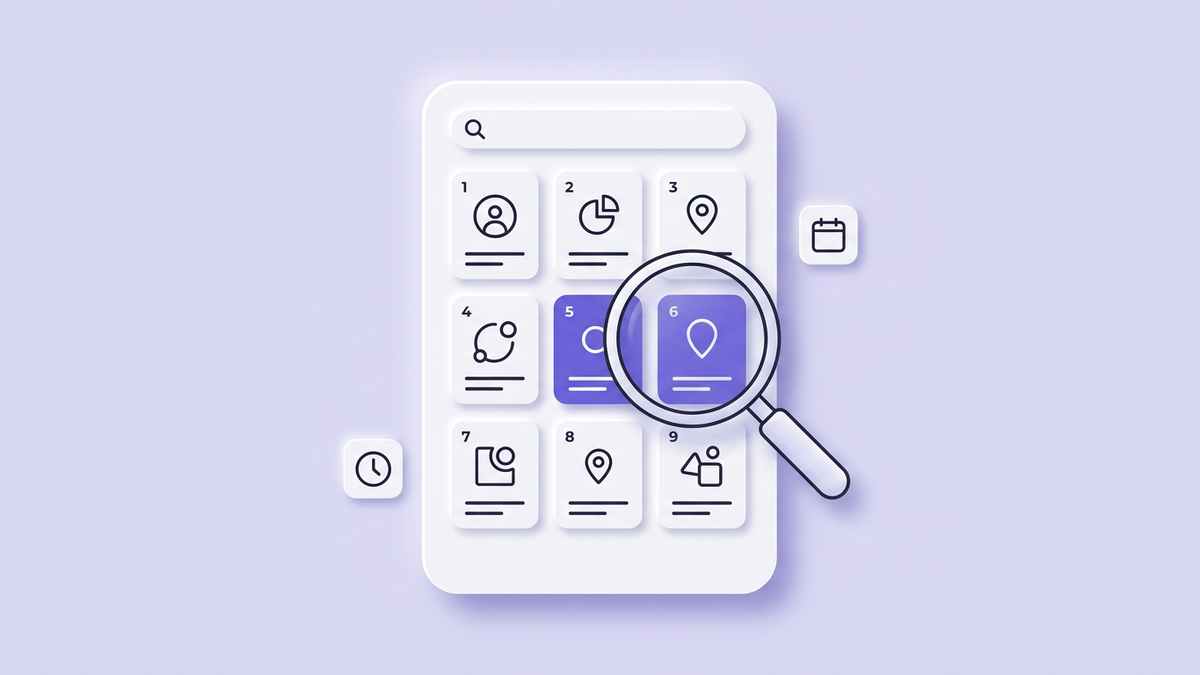
You ran the check Monday and you were fourth. Wednesday, seventh. Same page, same keyword, panic by lunch. Before you tear up your content, look at how you measured: one browser, one location, one moment. A SERP ranking check done that way isn't a measurement, it's a rumor with a number attached.
This guide shows how to run a SERP ranking check that holds up, what the number can and cannot tell you, and where the method has to change if your customers come from the map pack instead of the blue links.
A SERP ranking check measures where your page appears in Google's organic results for a keyword, at one location and one moment. To do one that holds up, use a clean non-personalized session, check from the market you serve, record the position with its date and location, and repeat on a fixed schedule so you read the trend, not the noise. For local businesses, pair it with a map rank check.
What does a SERP ranking check actually measure?
It measures one thing: the position of your page in the organic results list for one keyword, from one searcher's point of view. That last clause is where most checks go wrong. Google personalizes by location, language, device, and search history, so there is no single universal position for your page. A proper SERP ranking check acknowledges this instead of pretending it away: fix what you can fix (session, location, device), record what you can't, and stop treating one number as the truth.
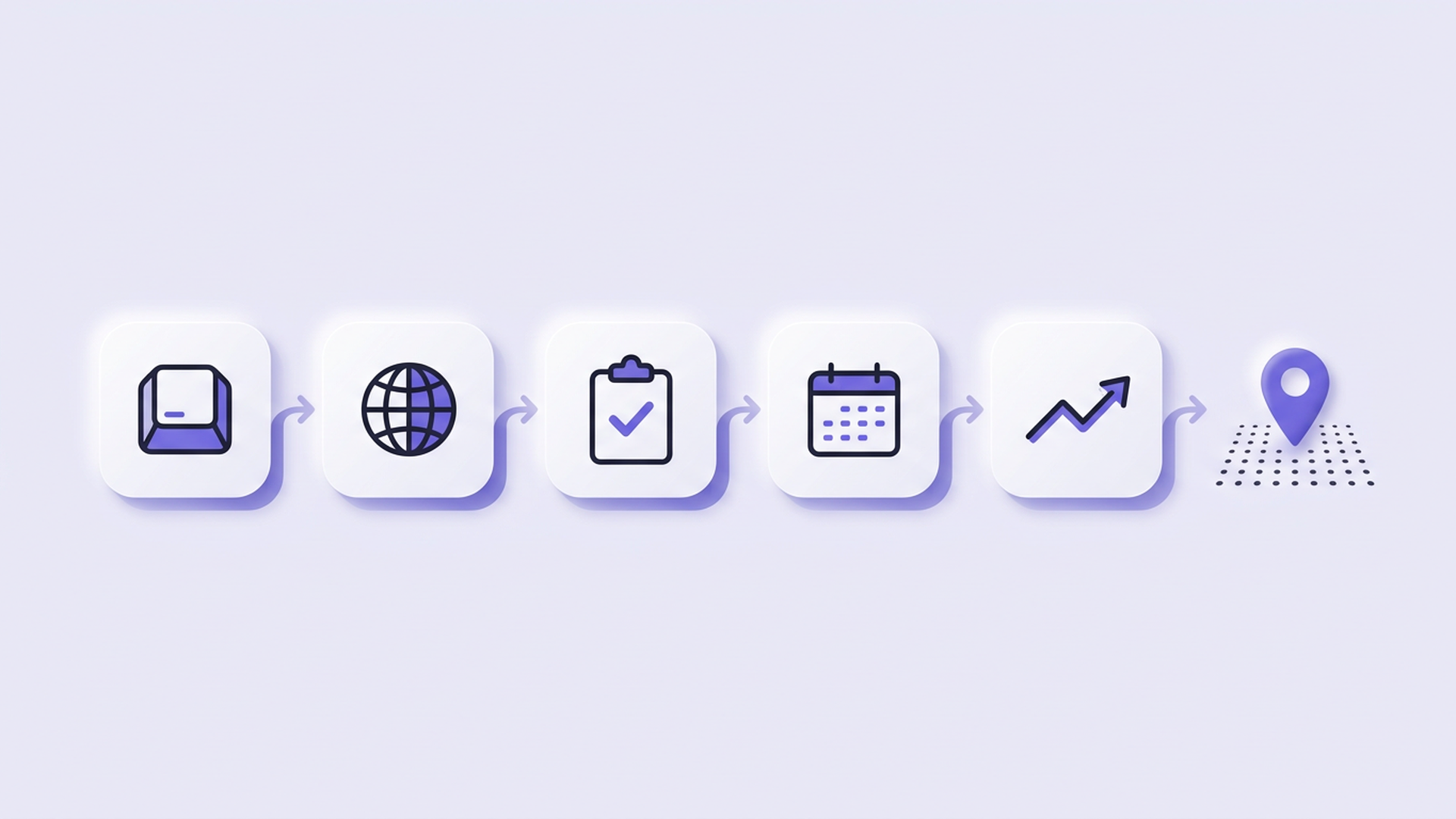
How to run a SERP ranking check in five steps
- Pick a small keyword set that matters. Three to five keywords tied to revenue, not vanity. Write them down; a check without a fixed list drifts within a week.
- Strip personalization before searching. Use a clean browser profile or private window, stay signed out, and don't click your own result before checking (that history bends future SERPs toward you).
- Check from the market you serve. If you sell in Thailand, check from Thailand, in the language your customers type. A VPN exit in another country reports a different SERP than your customers have ever seen.
- Record position, date, and location every time. A spreadsheet column per keyword, one row per check. The single most useful artifact of rank checking is the history, not the latest cell.
- Repeat weekly at a similar time, then read the trend. Positions wobble day to day for no reason you control. A move that holds across three weekly checks is a signal; a move you saw once is weather.
Why one position is not an answer
Rankings vary more than most people expect, and the variance is structural, not a glitch. Google reindexes, tests layouts, and reshuffles results continuously. The fix is method, not more checking: fixed keyword list, clean session, history. When someone quotes a rank with no date and no location, you genuinely don't know what they measured.
For local businesses the stakes are higher because the biggest variance lives in the map pack, which Google builds per searcher location. A real Bangkok example: one eyewear shop, one keyword, scanned the same week, held an average rank of 1.48 with 92% top-3 coverage inside a 1 km radius, and fell to 10.55 with only 44% visibility at 5 km (GBPpeak geo-grid scans, October 2026). Organic SERPs wobble; local packs swing. If your phone shows something different from your scan report, the scan isn't broken, it's standing somewhere else.
What a SERP check can't tell you
| Question | SERP ranking check | What answers it instead |
|---|---|---|
| Where do nearby customers see me on the map? | No view of the map pack | A map rank tracker with grid scans |
| Do searchers act on my result? | Position only, not behavior | Google Business Profile insights for calls, directions, clicks |
| Why is that competitor above me? | Shows the who, hides the why | A structured competitor read; local search ranking factors explains the levers |
| Is my whole keyword set improving? | One keyword at a time, manually | Scheduled tracking with recorded history |
Use the SERP check for what it does well: a quick, honest read of your organic position on a keyword you care about. Everything beyond that needs a different instrument.
Free ways to run one, and how often
The manual method above costs nothing but twenty minutes a week, and for most single-business sites it is genuinely enough. If you want the history kept for you, rank tracking tools automate the same steps; the free tier limits are usually keyword count and history depth, so check those two numbers before committing your workflow to one.
Cadence: weekly for active pages, monthly for stable ones. Avoid the daily-refresh reflex; it produces anxiety, not information. And if you operate where customers arrive via maps, spend the same weekly slot on a grid scan; our daily Bangkok grid scan reports show what a disciplined local tracking rhythm looks like in practice.
Frequently Asked Questions
How often should I check SERP rankings?
Weekly at a similar time is the working standard. Daily checks mostly capture normal SERP churn and encourage reacting to noise. Monthly works for pages you're not actively improving. Whatever you pick, keep it fixed; the trend is the product, and mixed schedules ruin trends.
Can I check rankings manually without any tool?
Yes, and done carefully it beats a careless tool. Use a private window, stay signed out, check from your actual market, and log every result with its date. What tools add is automation, history, and simultaneous location coverage; the manual method's weakness is you, getting busy in week three.
Why does my rank differ between my phone and my laptop?
Because the search is personalized: location, device, language, and your own click history all shift results. Your phone may also show map-led layouts while the desktop shows classic links. Neither view is wrong; both are partial. A SERP ranking check that means anything controls for these variables instead of sampling one of them.
Are free rank checkers accurate?
The honest ones report exactly what Google returned for the location and session they used, which is why two tools disagree: they asked from different places. Judge a checker by whether it tells you the location, device, and language behind its numbers. If it reports a bare position with no context, treat it as entertainment.
Do I need a SERP check or a map rank check?
If customers find you through organic search results, the SERP check; if they find you through the map pack, and for most local businesses they do, the map rank check with a multi-point grid is the primary instrument, with the SERP check as the secondary view. The full comparison is in our map rank tracker guide.
A rank number with no method behind it is a rumor. Give yours a method, or better, see the whole picture at once: check where searchers around your business actually find you with a free grid scan at gbppeak.com/free-maps — no signup, no card.